AbstractObjectivesBetula Platyphylla(BP) has been used as a analgesic, anti-microbial, anti-oxidant drug in Eastern Asia. However, it is still unknown whether BP ethanol extract could exhibit the inhibitory activities against ultraviolet B(UVB)-induced skin injury on human keratinocytes, HaCaT cells. This study was aimed to investigate the protective activity of BP ethanol extract on UVB-irradiated skin injury in HaCaT cells.
MethodsThe skin injury model of HaCaT cells was established under UVB stimulation. HaCaT keratinocyte cells were pre-treated with BP ethanol extract for 1 h, and then stimulated with UVB. Then, the cells were harvested to measure the cell viability, production of reactive oxygen species(ROS), pro-inflammatory cytokines such as interleukin(IL) 1-beta, IL-6, and tumor necrosis factor(TNF)-α, hyaluronidase, type 1 collagen, matrix metalloproteinase(MMP)s. In addition, we examined the mitogen activated protein kinases(MAPKs) and inhibitory kappa B alpha(Iκ-Bα) as inhibitory mechanisms of BP ethanol extract.
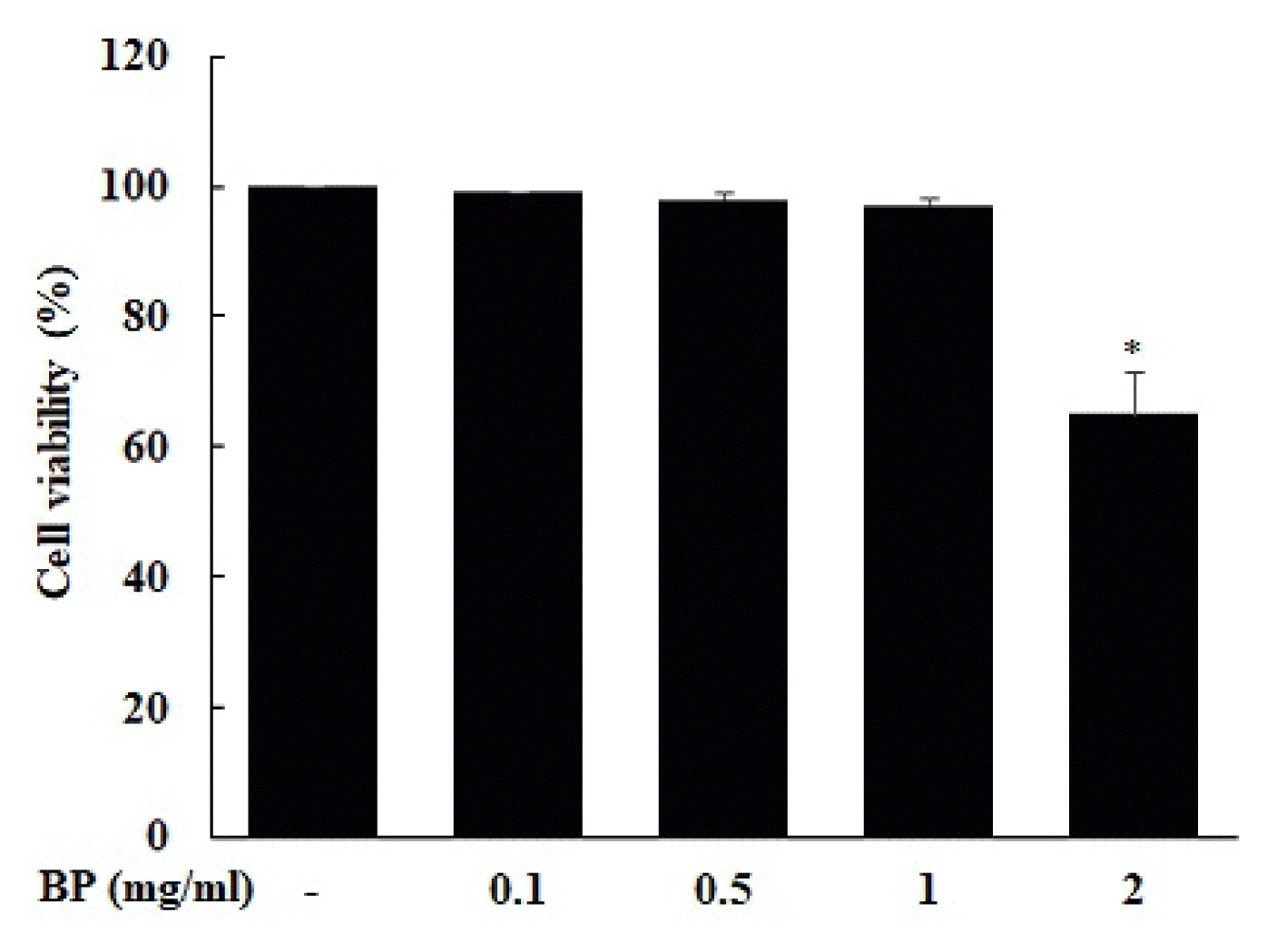
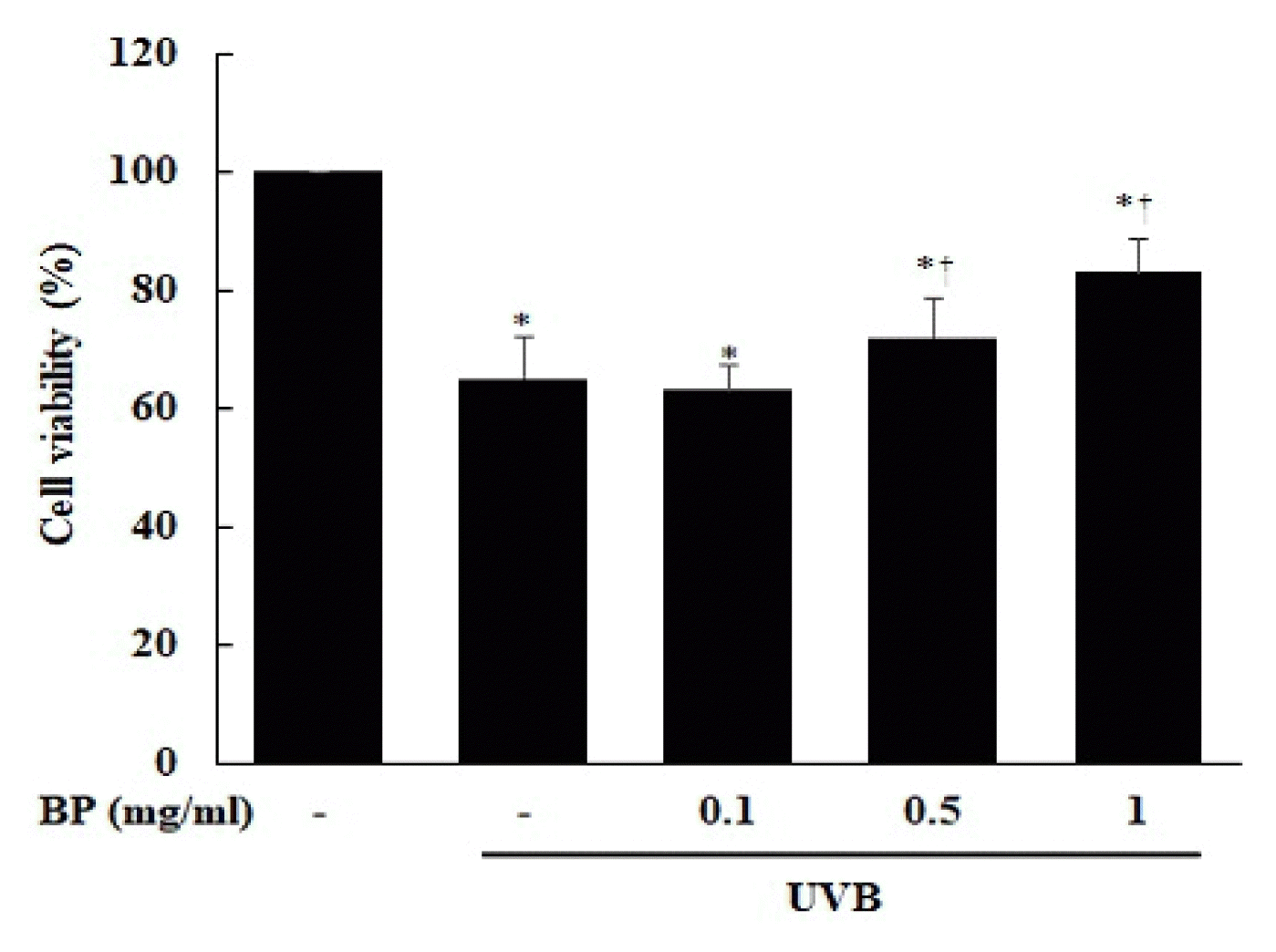
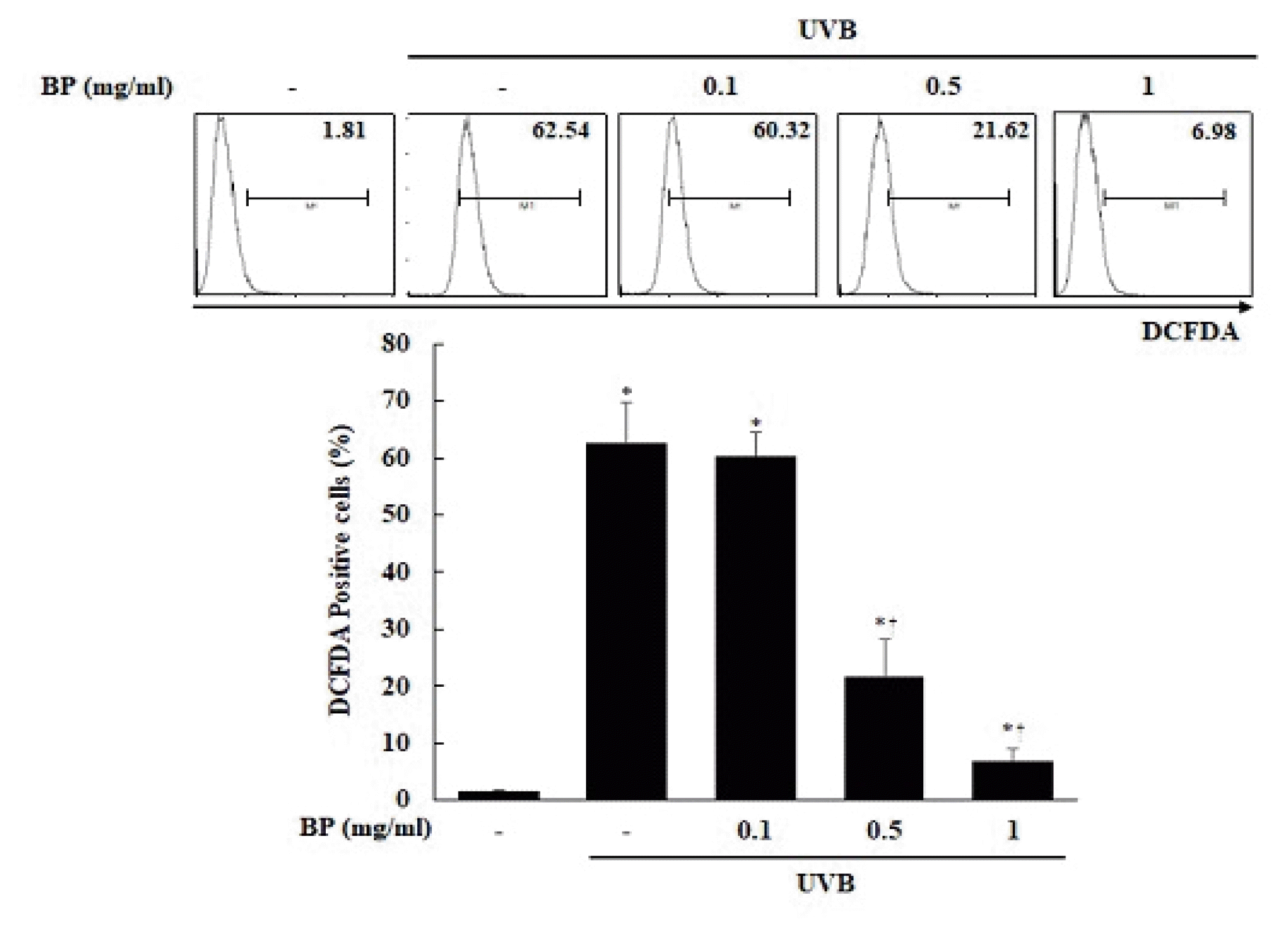
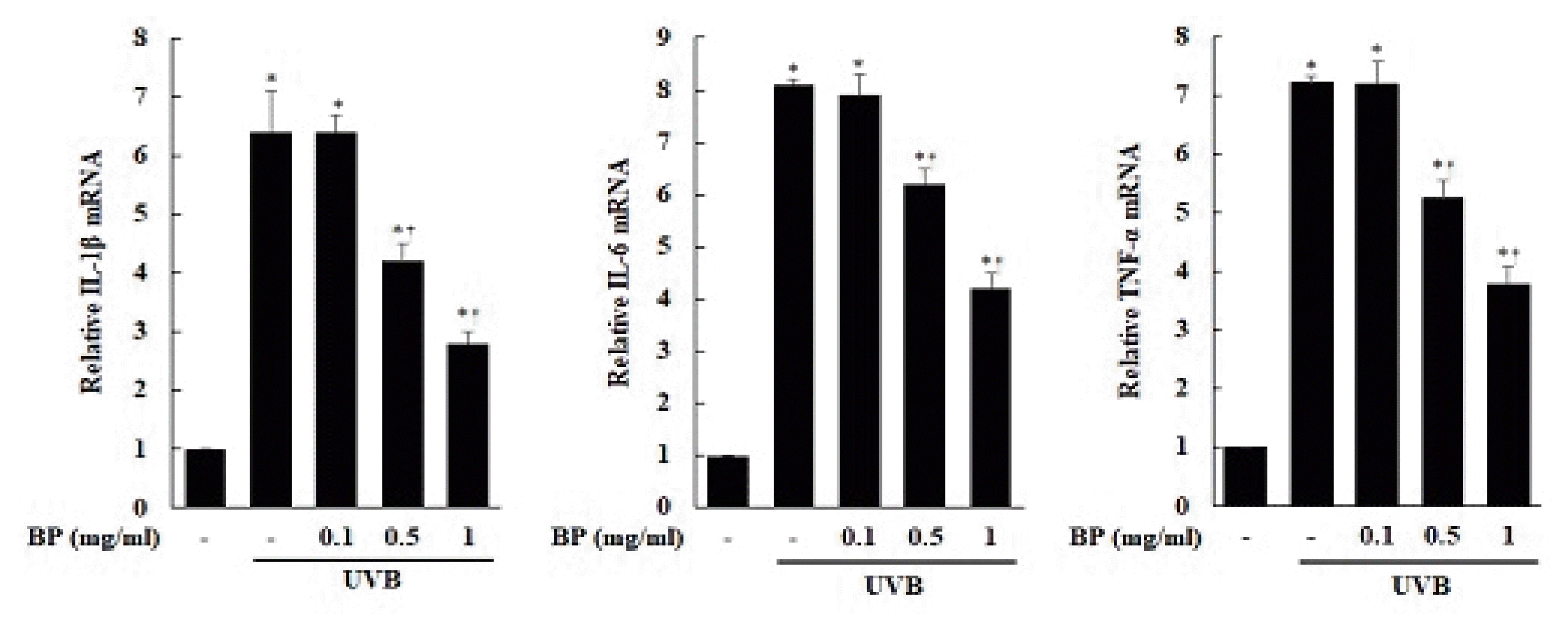
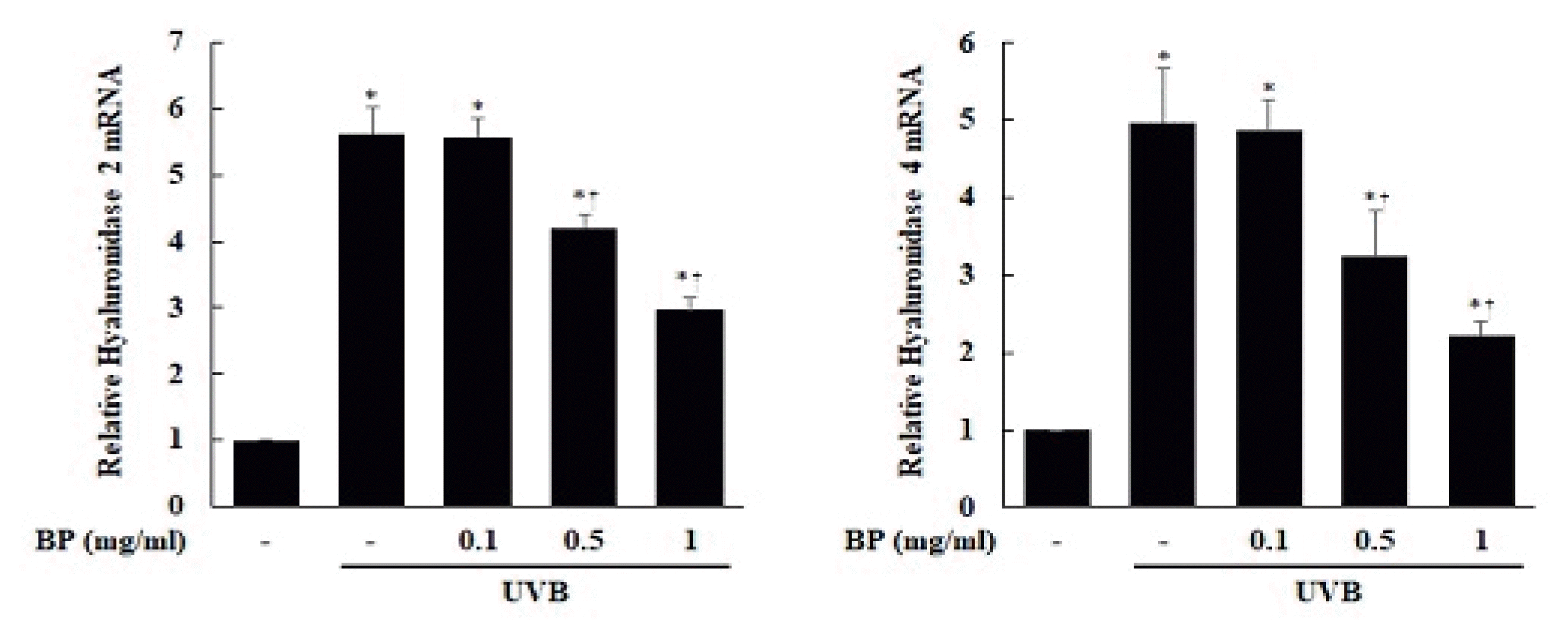
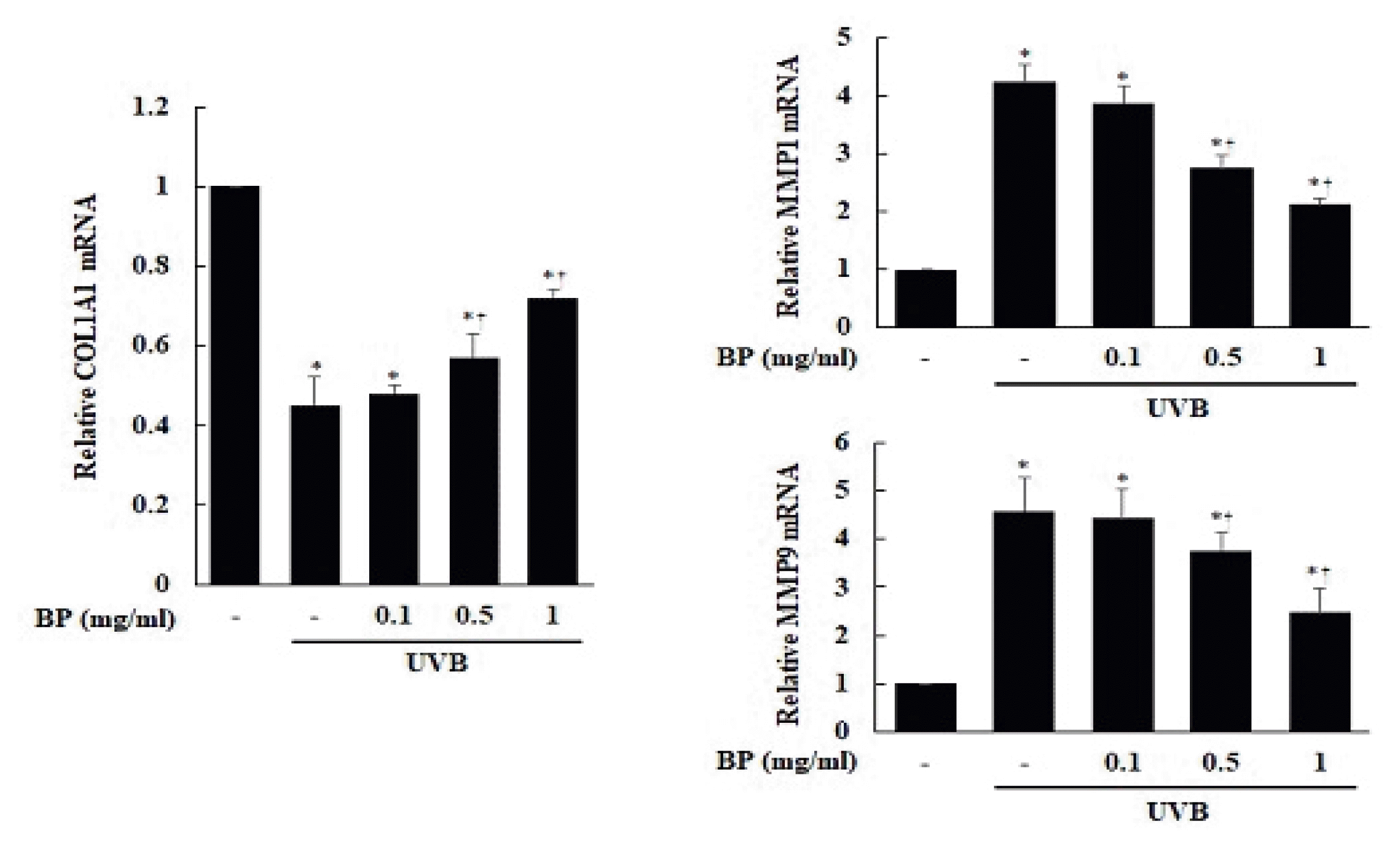
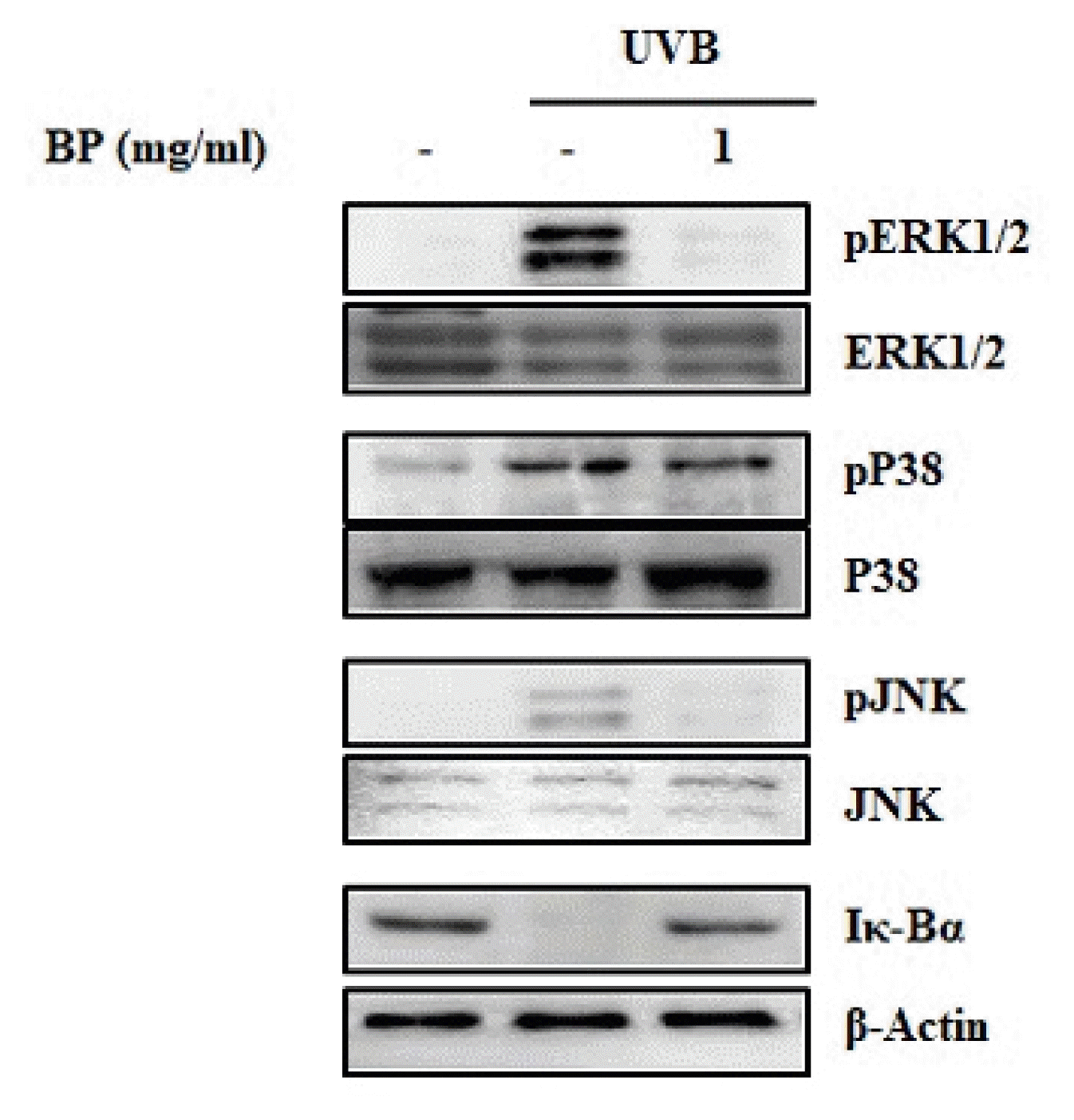
ResultsThe treatment of BP ethanol extract inhibited the UVBinduced cell death and ROS production in HaCaT cells. BP ethanol extract treatment inhibited the UVB-induced increase of IL-1beta, IL-6, and TNF-α. BP ethanol extract treatment inhibited the increase of hyaluronidase, MMP and decrease of collagen. BP ethanol extract treatment inhibited the activation of MAPKs and the degradation of Iκ-Bα.
ConclusionsOur result suggest that treatment of BP ethanol extract could inhibit the UVB-induced skin injury via deactivation of MAPKs and nuclear factor kappa B(NF-κB) in HaCaT cells. This study could suggest that BP ethanol extract could be a beneficial agent to prevent skin damage or inflammation.
ì°¸ê³ ë¬¸í—Œ1. Choi EY, Sohn HY, Lee JT. 2019; The Antioxidant and Anti-aging Effects of Treatment with Schisandra chinensis Seed Fractions in UVB-irradiated Human HaCaT cells. J Life Sci. 29:10. 1071–9. https://doi.org/10.5352/JLS.2019.29.10.1071
2. Alexandra AO, Betty Y, John AD. 2014; Ultraviolet radiation, aging and skin: prevention of damage by tropical cAMP manipulation. Molecules. 19:6202–19. https://doi.org/10.3390/molecules19056202
 3. Edwin DL. 2016; Skin aging and oxidative stress: Equol’s anti-aging effects via biochemical and molecular mechanisms. Ageing Res Rev. 31:36–54. https://doi.org/10.1016/j.arr.2016.08.001
4. Masamitsu I, Hideya A, Masaki Y, Toko N, Mary M. 2009; Photoaging of the skin. J Anti Aging Med. 6:46–59. https://doi.org/10.3793/jaam.6.46
5. Martin GM, Austad SN, Johson TE. 1996; Genetic analysis of aging: role of oxidative damage and environmental stresses. Nat Genet. 13:1. 25–34. https://doi.org/10.1038/ng0596-25
6. Pittayapruek P, Meephansan J, Prapapan O, Komine M, Ohtsuki M. 2016; Role of matrix metalloproteinases in photoaging and photocarcinogenesis. Int J Mol Sci. 17:868–88. https://doi.org/10.3390/ijms17060868
7. Kim SM, Chung JH. 2008; Berberine prevents UV-induced MMP-1 and reduction of type | procollagen expression in human dermal fibroblasts. Phytomedicine. 15:9. 749–53. https://doi.org/10.1016/j.phymed.2007.11.004
8. Chae YM. 1996. Jungyakyakmyeongsajun. Beijing: Chinese Medicine Publisher;p. 44
9. Sin MG, Jeong BY. 2003. Dohae Hyangyakdaesajeon. Seoul: Yeongrimsa;p. 803–4.
10. Sin MG. 2002. Clinical Traditional Herbalogy. Seoul: Yeongrimsa;p. 399–400. p. 844
11. Kim YJ, Lee JD, Lee YH. 2007; The Effects of Betula Platyphylla on Cartilage Protecion, Anti-inflammatory and Analgesic Activity in Arthritis. The Joumal of Korean Acupunct & Moxibustion Society. 2007; 24:2. 73–81.
12. Kim WI, Kim JE, Lee SH, Moon YS, Lee SH, Park SY, Na CS. 2013; Antioxidative and Antimicrobial Activities of Water- and Ethanol-Extracts from Betula platyphylla var. japonica, Punica granatum and Rhus javanica. Kor J Herbology. 28:3. 45–51. https://doi.org/10.6116/kjh.2013.28.3.45
13. Lee CH, Cho YM, Park ES, Shin CS, Lee JY, Jeong HS. 2009; In vivo Immune Activity of Sap of the White Birch(Betula platyphylla var. japonica). Kor J Food Sci Technol. 41:4. 413–6.
14. Park SY, Na CS, Jeong WC, Lee JC. 2012; A Literature Study of Pericarpium Granati and Cortex Betulae Platyphyllae. The Journal of Korean Oriental Medical Ophthalmology & Otolaryngology & Dermatology. 25:3. 13–33. https://doi.org/10.6114/jkood.2012.25.3.013
15. Herbal Pharmacology Textbook Compilation Committee. 1992. Herbal Pharmacology. Seoul: Shinil Publisher;p. 469–71.
16. The National College of Oriental Medicine Herbology Classroom. 2008. Herbology. Seoul: Youngrimsa;p. 190–1,728.
17. An JB. 2002. Dictionary of oriental medicine. Mock Yang.
18. Huh JE, Hopng JM, Baek HY, Lee JD, Choi DY, Park SS. 2011; Anti-inflammatory and anti-nociceptive effect of Betula platyphylla var. japonica in human interleukin-1β-stimulated fibroblast-like synoviocytes and in experimental animal models. J Ethnopharmacol. 135:1. 126–34. https://doi.org/10.1016/j.jep.2011.03.005
19. Ryu MH, Park EK, Kim YH, Lee YA, Lee SH, Hong SJ, Baek YH, Park DS, Han JS, Yoo MC, Yang HI, Kim KS. 2006; Anti-inflammatory effects of an ethanolic extract from Betula Platyphylla. J Korean Oriental Med. 27:1. 184–95.
20. Schwiebs A, Radeke HH. 2018; Immunopharmacological Activity of Betulin in Inflammation-associated Carcinogenesis. Anticancer Agents Med Chem. 18:5. 645–51. http://dx.doi.org/10.2174/1871520617666171012124820
21. Lim JP. 2011; Antibacterial activity against S. mutans or P. gingivalis and anti-inflammatory effect of betulae cortex. Korean J. Oriental Physiology & Pathology. 25:4. 635–40.
22. Matsuda H, Ishikado A, Nishida N, Ninomiya K, Fujiwara H, Kobayashi Y, Yoshikawa M. 1998; Hepatoprotective, superoxide scavenging, and antioxidative activities of aromatic constituents from the bark of Betula Platyphylla var. Japonica. Bioorganic & Medicinal Chemistry letters. 8:2939–44. https://doi.org/10.1016/s0960-894x(98)00528-9
23. Joo SY. 2013; Antioxidant activities of medicinal plant extracts. J Korean Soc Food Sci Nutr. 42:4. 512–9. https://doi.org/10.3746/jkfn.2013.42.4.512
24. Ju EM, Lee SE, Hwang HJ, Kim JH. 2004; Antioxidant and anticancer activity of exteact from Betula platyphylla var. japonica. Life Sciences. 74:1013–26. https://doi.org/10.1016/j.lfs.2003.07.025
25. Halliday GM. 2005; Inflammation, gene mutation and photoimmunosuppression in response to UVR induced oxidative damage contributes to photocarcinogenesis. Mutation Re search. 2005; 571:1–2. 107–20. https://doi.org/10.1016/j.mrfmmm.2004.09.013
26. Trouba KJ, Hamadeh HK, Amin RP, Germolec DR. 2002; Oxidative stress and its role in skin disease. Antioxid. Redox. Signal. 4:665–73. https://doi.org/10.1089/15230860260220175
27. Ansel J, Luger TA, Lowry D. 1988; The expression and modulation of IL-1 alpha in murine keratinocytes. J Immunol. 140:2274–8.
28. Diniyah N, Alam MB, Choi HJ, Lee SH. 2020; Lablab Purpureus Protects HaCaT Cells from Oxidative Stress-Induced Cell Death through Nrf2-Mediated Heme Oxygenase-1 Expression via the Activation of p38 and ERK1/2. Int J Mol Sci. 21:22. 8583https://doi.org/10.3390/ijms21228583
29. Gates T. 2007; Atopic dermatitis : diagnosis, treatment, and aeromedical implications. Aviat Space Environ Med. 78:29–37.
30. Verdier-Sévrain S, Bonté F. 2007; Skin hydration: a review on its molecular mechanisms. J Cosmet Dermatol. 6:2. 75–82. https://doi.org/10.1111/j.1473-2165.2007.00300.x
31. Myung DB, Han HS, Shin JS, Park JY, Hwang HJ, Kim HJ, Ahn HS, Lee SH, Lee KT. 2019; Hydrangenol Isolated from the Leaves of Hydrangea serrata Attenuates Wrinkle Formation and Repairs Skin Moisture in UVB-Irradiated Hairless Mice. Nutrients. 11:10. 2354https://doi.org/10.3390/nu11102354
32. Kang SJ, Choi BR, Kim SH, Yi HY, Park HR, Park SJ, Song CH, Park JH, Lee YJ, Kwang S. 2015; Inhibitory effects of pomegranate concentrated solution on the activities of hyaluronidase, tyrosinase, and metalloproteinase. J Cosmet Sci. 66:3. 145–59.
33. Scharffetter K, Wlaschek M, Hogg A, Bolsen K, Schothorst A, Goerz G, Krieg T, Plewig G. 1991; UVA irradiation induces collagenase in human dermal fibroblasts in vitro and in vivo. Arch. Dermatol. Res. 283:8. 506https://doi.org/10.1007/bf00371923
34. Brenneisen P, Wenk J, Klotz LO, Wlaschek M, Briviba K, Krieg T, Sies H, Scharffetter-Kochanek K. 1998; Central role of ferrous/ferric iron in the ultraviolet B irradiation -mediated signaling pathway leading to increased interstitial collagenase (matrix-degrading metalloproteinase (MMP)-1) and stromelysin-1 (MMP-3) mRNA levels in cultured human dermal fibroblasts. J Biol Chem. 273:9. 5279–87. https://doi.org/10.1074/jbc.273.9.5279
35. Zhang M, Zhou J, Wang L, Li B, Guo J, Guan X, Han Q, Zhang H. 2014; Caffeic acid reduces cutaneous tumor necrosis factor alpha (TNF-α), IL-6 and IL-1 levels and ameliorates skin edema in acute and chronic model of cutaneous inflammation in mice. Biol. Pharm. Bull. 37:347–54. https://doi.org/10.1248/bpb.b13-00459
36. Celec P. 2004; Nuclear factor kappa b-molecular biomedicine: the next generation. Biomed. Pharmacother. 58:365–71.
37. Qi T, Huan Y, Enmie L, Hya W. 2017; P38/ERK MAPK signaling pathways are involved in the regulation of filaggrin and involucrin by IL-17. Mol, Med. Rep. 16:6. 8863–7. https://doi.org/10.3892%2Fmmr.2017.7689
38. Choi HJ, Alam MB, Baek ME, Kwon YG, Lim JY, Lee SH. 2020; Protection against UVB-Induced Photoaging by Nypa fruticans via Inhibition of MAPK/AP-1/MMP-1 Signaling. Oxid Med Cell Longev. 2020:2905362https://doi.org/10.1155/2020/2905362
39. Liu A, Zhao W, Zhang B, Tu Y, Wang Q, Li J. 2020; Cimifugin ameliorates imiquimod -induced psoriasis by inhibiting oxidative stress and inflammation via NF-κB/MAPK pathway. Biosci Rep. 40:6. BSR20200471https://doi.org/10.1042%2FBSR20200471
|
|
|||||||||||||||||||||||||||||||||
|
|||||









 PDF Links
 Full text via DOI
 PubReader
 Download Citation
  Print
Print